Programme Goal
Jamii Shupavu Programme aims to build a strong cadre of community actors capable of advancing resilient, healthy, and developed communities through local action and integrated advocacy.
Jamii Shupavu Projects
Our flagship initiatives working together to build community resilience.
Malaria Free Generation
Community awareness, prevention support, school storytelling, and CHW enablement
Profiles in Climate Resilience
Documenting lived experiences through multimedia storytelling
Climate & Health Forums
Multi-stakeholder forums connecting policy, research, and lived experience
Integrated Advocacy
Youth and CHWs leading climate-resilient action against malaria and NTDs

Malaria Free Generation
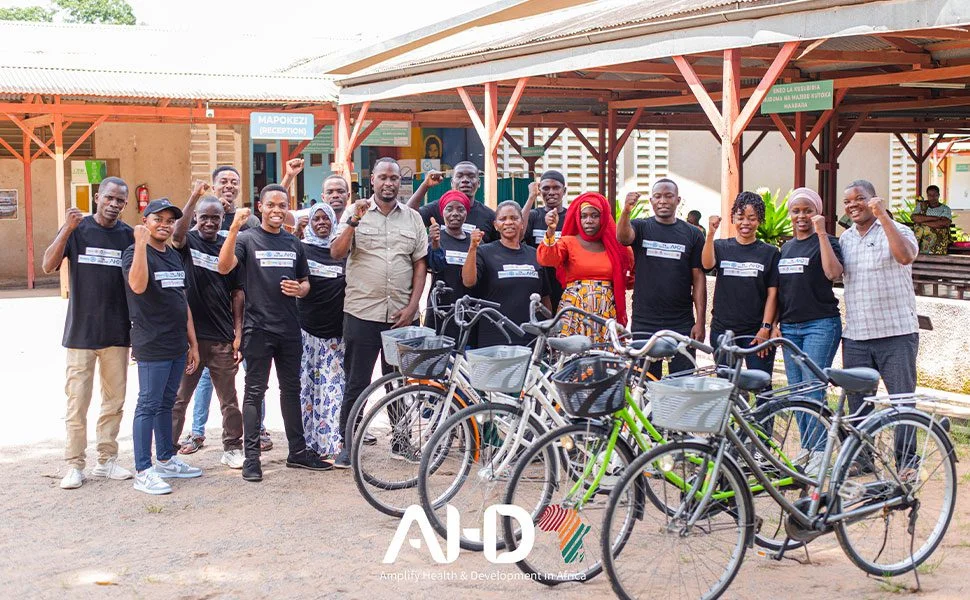
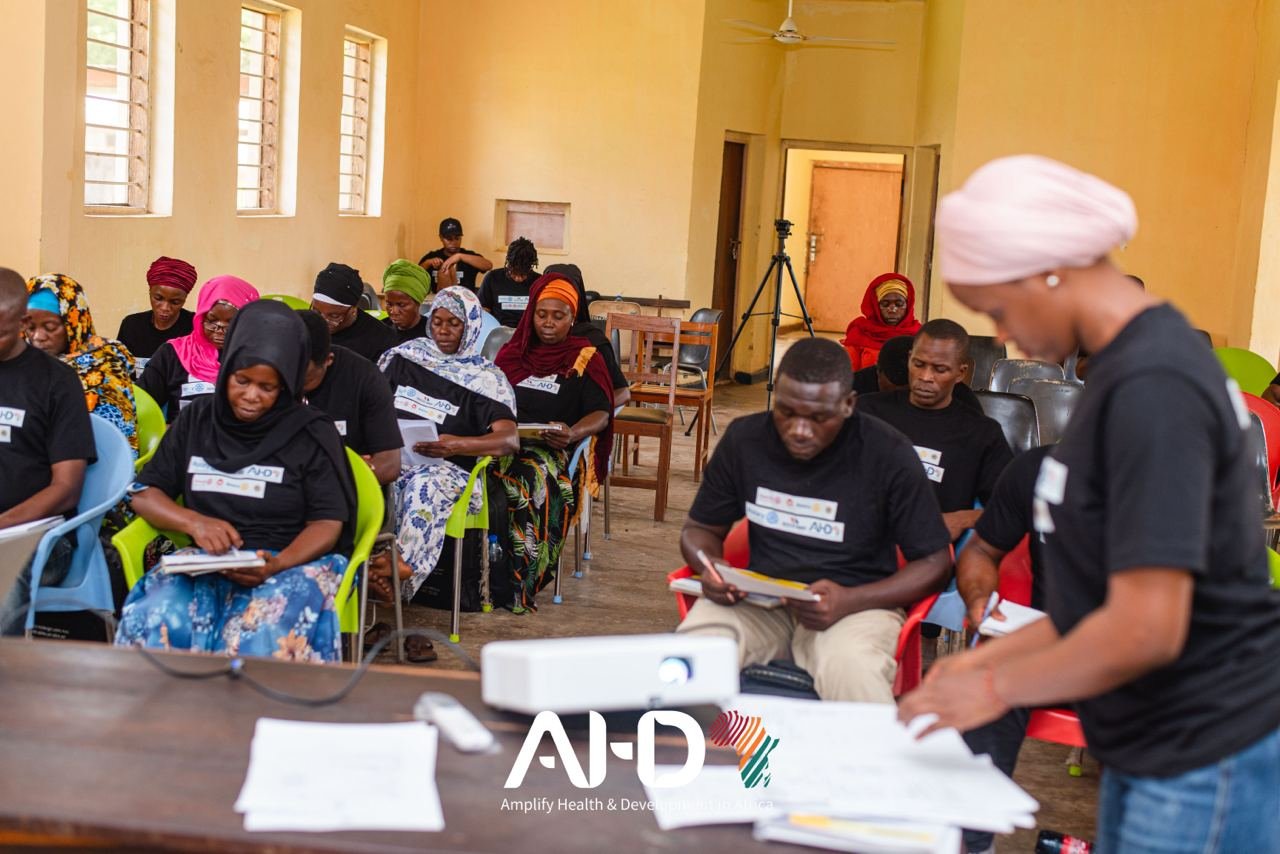
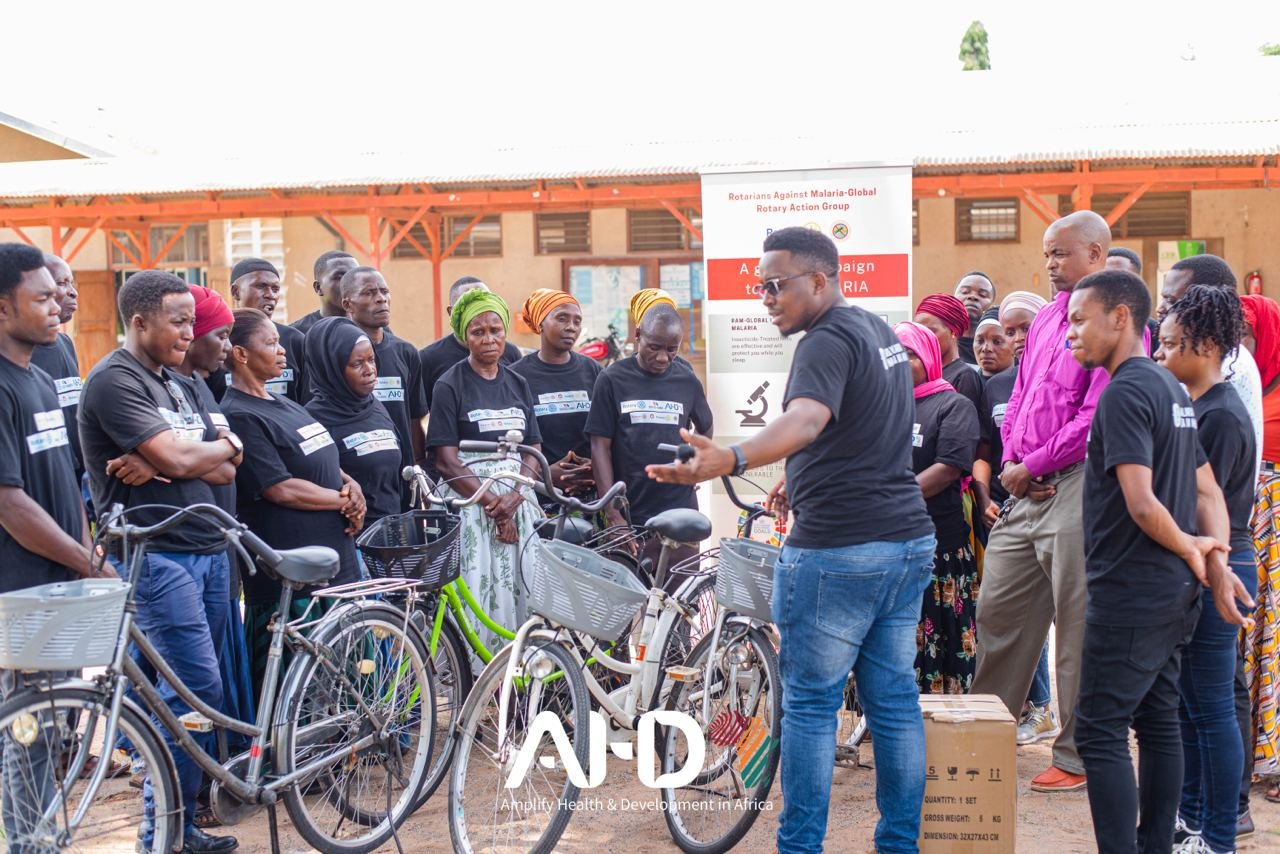
The project addresses malaria through community awareness, prevention support, school-based storytelling, and frontline CHW enablement.
Results to Date
Malaria Programme Photos

Profiles in Climate Resilience
Profiles in Climate Resilience uses strategic storytelling to document the lived experiences of climate change and its health impacts. Through multimedia documentaries, the initiative highlights how communities, youth leaders, women, and Community Health Workers respond to climate-related health challenges, bringing local perspectives into broader climate and health conversations.
Youth leadership in response to climate-health challenges
Women's impact and CHW-linked community health action
Global Platform
The series has been showcased at major global platforms, including COP29 in Baku (2024) and COP30 in Rio de Janeiro (2025), through the Forecasting Healthy Futures Summits in 2024 and 2025 (locations for the summit are the same as those for COP, respectively), where the documentaries were featured in panel discussions on strategic storytelling for climate and health advocacy.
National Forum
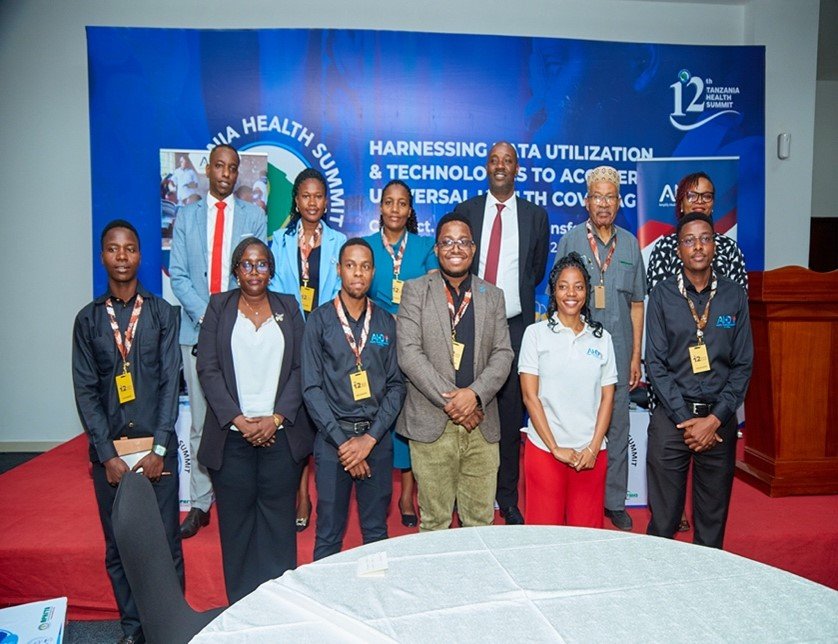
The films have also been presented at national forums such as the Tanzania Health Summit 2024 and 2025, strengthening dialogue between communities, policymakers, and development partners. These national engagements amplify grassroots voices and ensure locally grounded solutions inform Tanzania's climate-health agenda.

Climate & Health Forums
AHDA convenes high-level multi-stakeholder forums that connect policy, research, implementation, and lived experience.
Zanzibar Climate and Health Forum 2024
400+ stakeholders from government, CSOs, development partners, and youth-led organizations.
Zanzibar Climate and Health Forum 2024 - Key Highlights
- Mainstream climate-health integration into all levels of health policy and planning.
- Train and empower community health workers, equipping them with tools and inclusion in surveillance systems.
- Expand youth-led resilience initiatives, with grants, skills-building, and policymaker engagement.
- Support climate-informed farming and nutrition programs that safeguard vulnerable populations during droughts and floods.
- Strengthen infrastructure resilience, including clinic fortification, reliable water systems, and climate-responsive referral networks.
- Improve data systems to regularly capture and analyze climate-sensitive health outcomes across population groups.
- Establish inter-ministerial data-sharing mechanisms to enable coordinated emergency response planning.
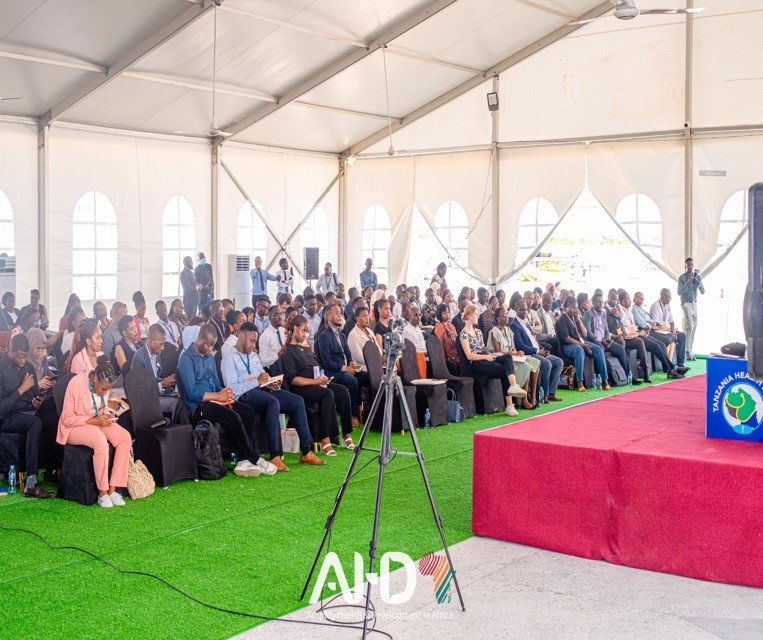
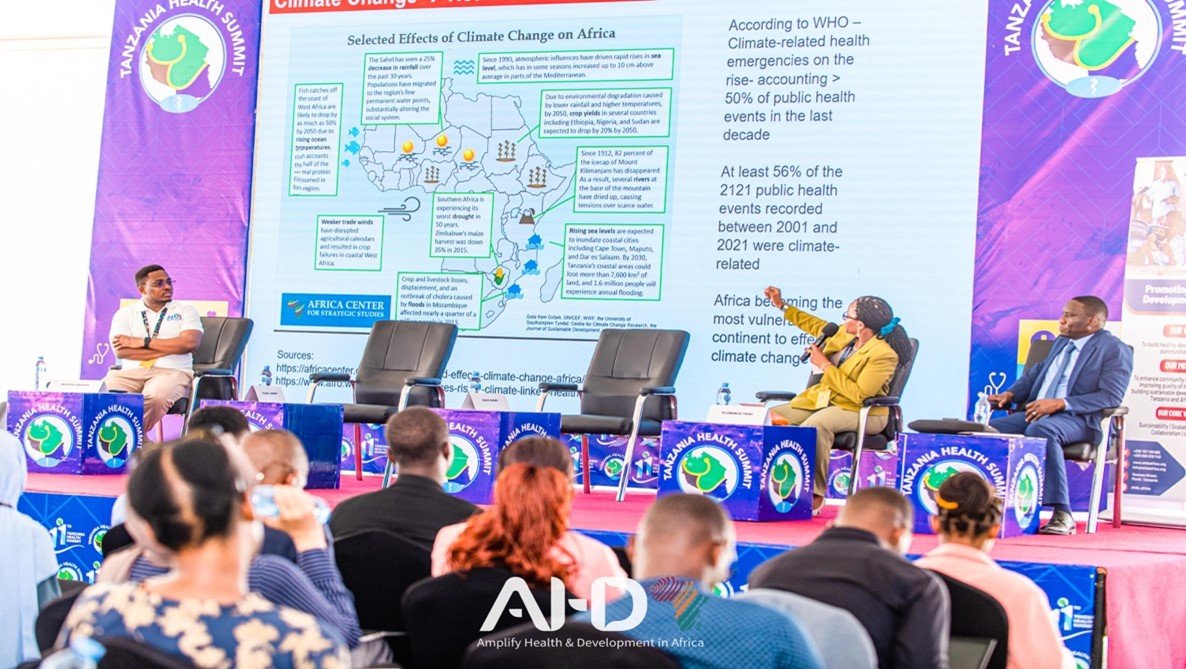
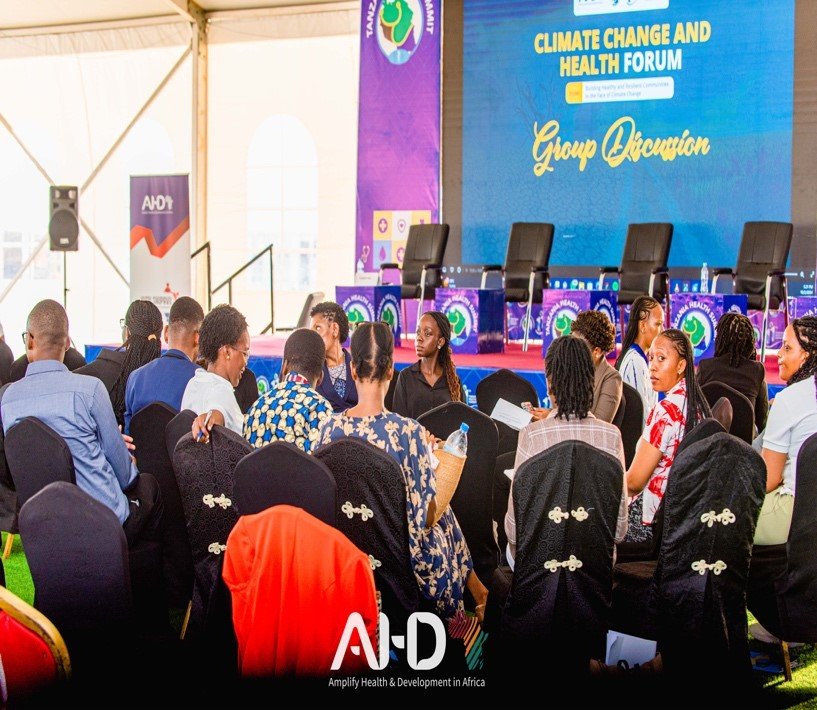

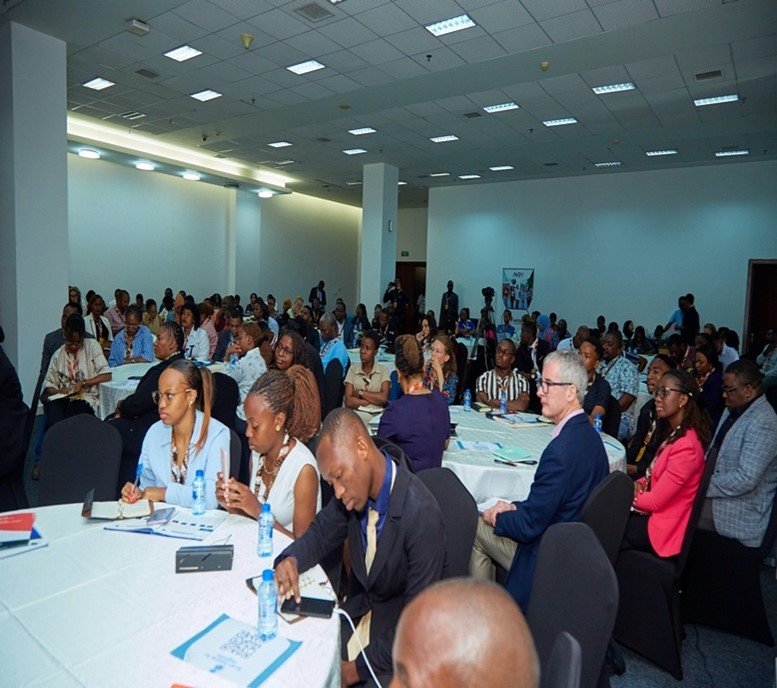
Dar es Salaam Forum 2025
350+ stakeholders from academia, research, government, CSOs, youth, and CHWs. This forum focused on role of youth and community health workers in building resilience.
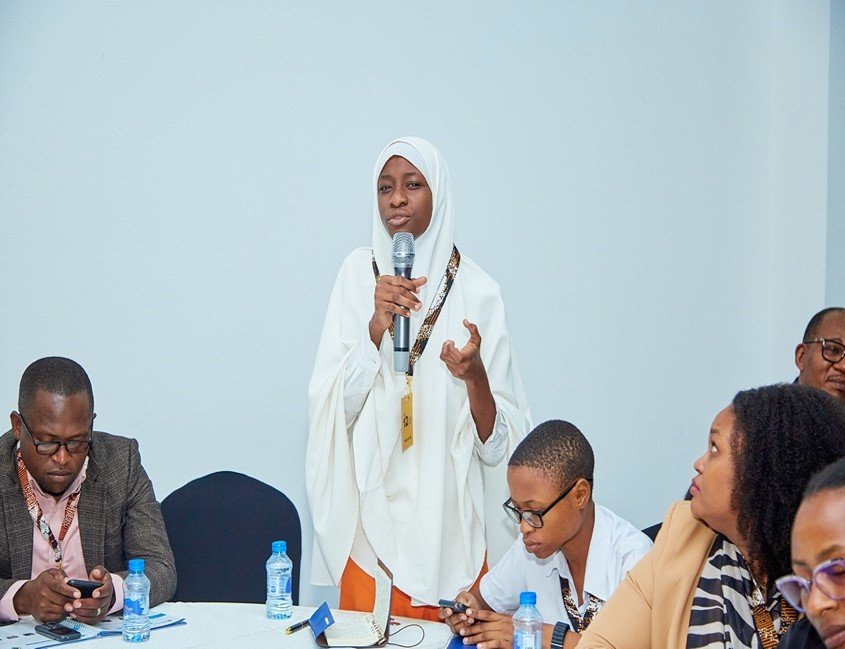
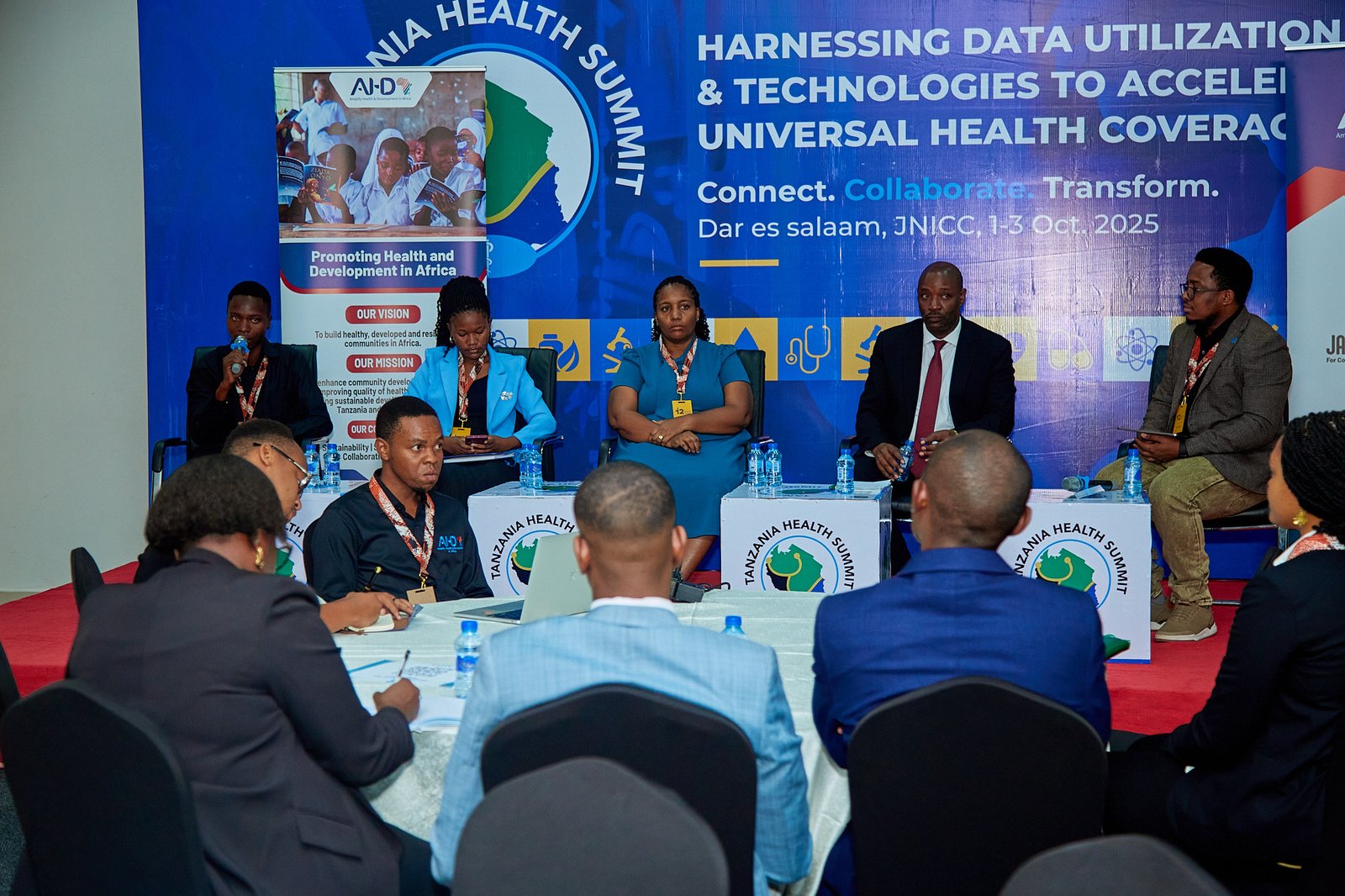
Key Takeaways and Recommendations
Climate and health responses are most effective when driven by those closest to communities, with women and CHWs playing a critical leadership and sustainability role.
Adaptation and mitigation efforts should explicitly integrate health outcomes, including food security, mental health, and maternal and child health.
Local actions such as recycling, reforestation, and climate-smart household practices offer practical, cost-effective pathways to improve health and environmental outcomes.
Strengthening research and community-level data generation is necessary to inform policy, attract climate finance, and guide effective interventions.
Long-term climate and health outcomes depend on multisectoral collaboration and embedding community-driven initiatives within government systems and development frameworks.
Integrated Advocacy
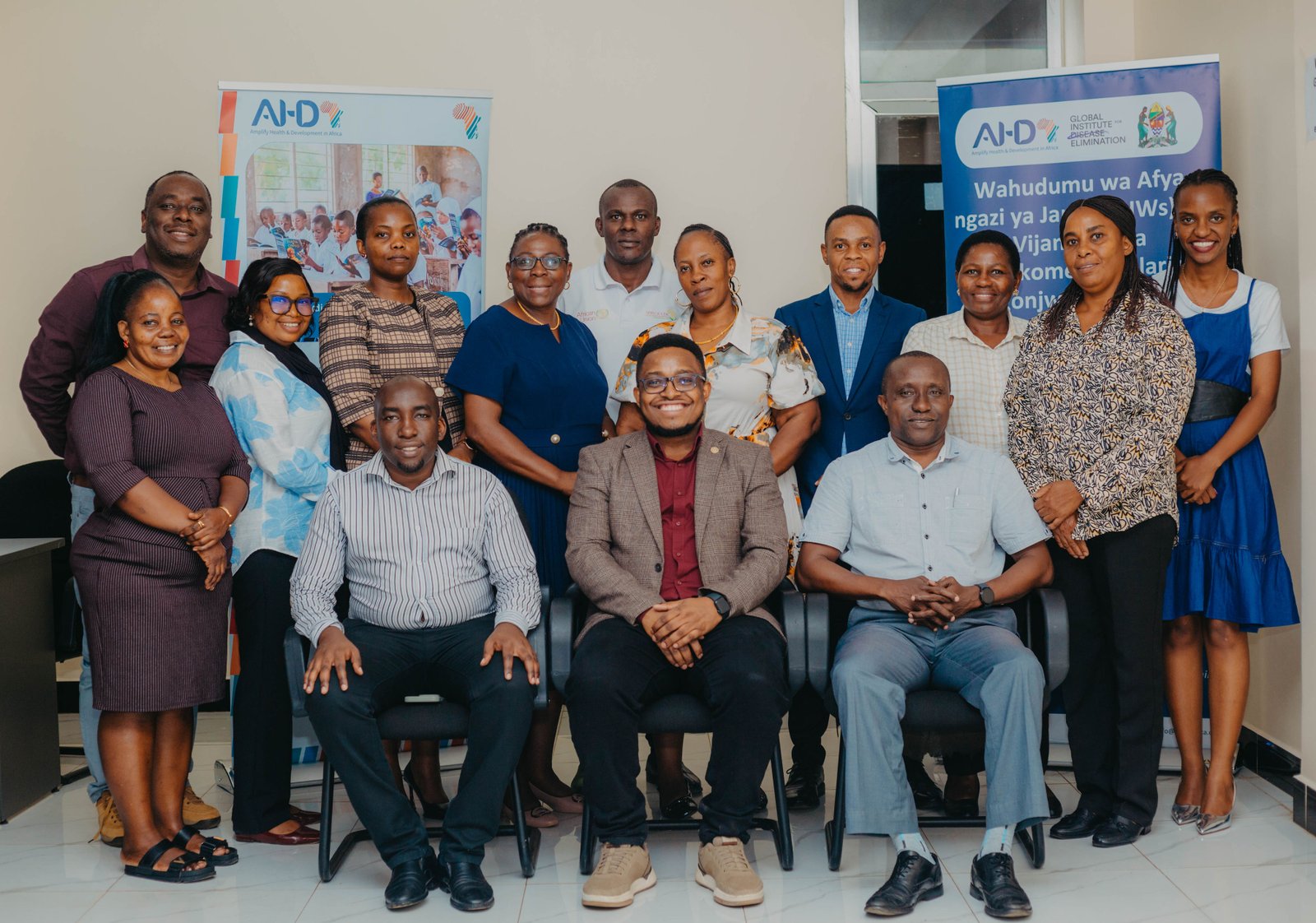
Theme: Youth and Community Health Workers for Resilient Communities.
Stakeholder Engagement