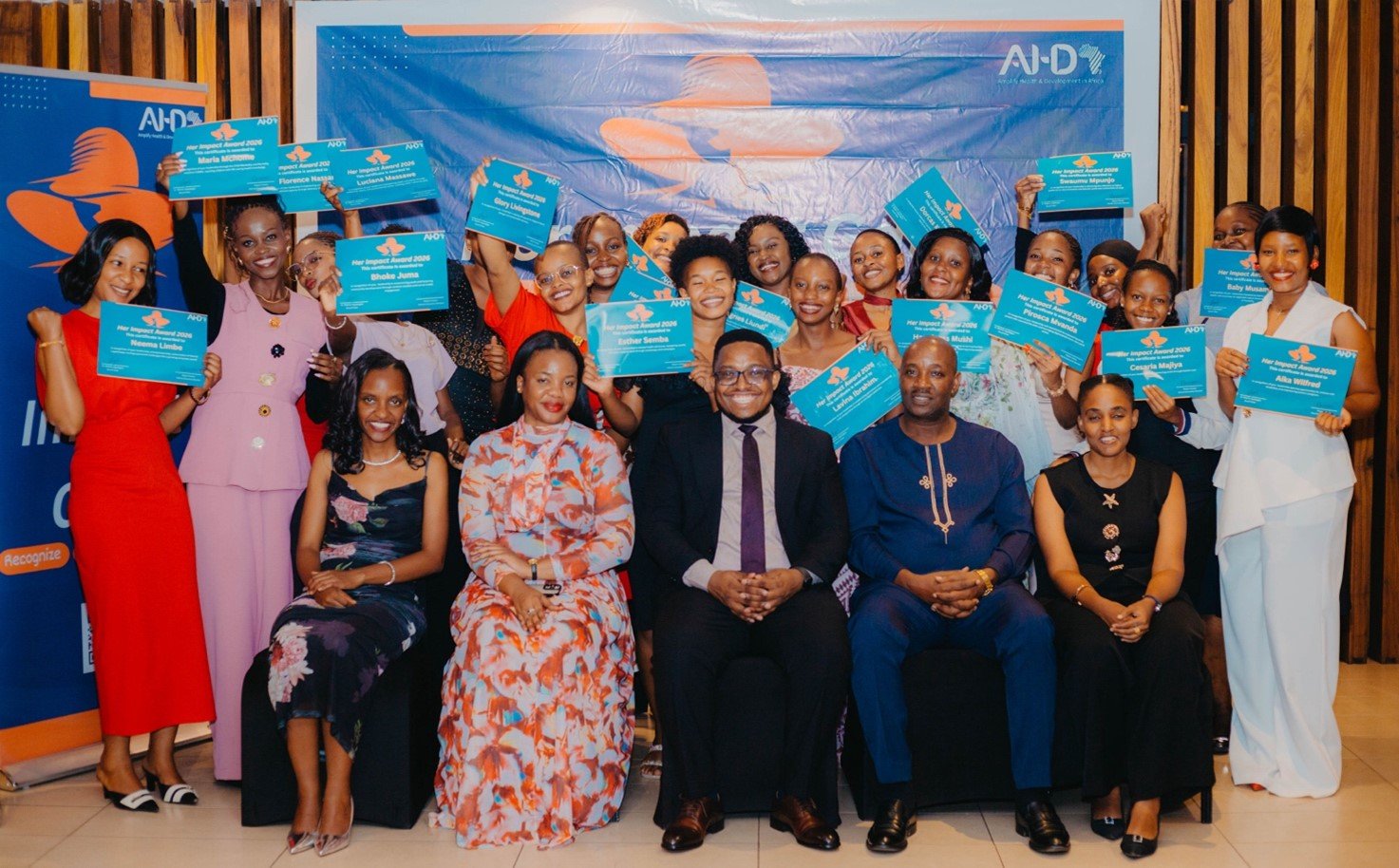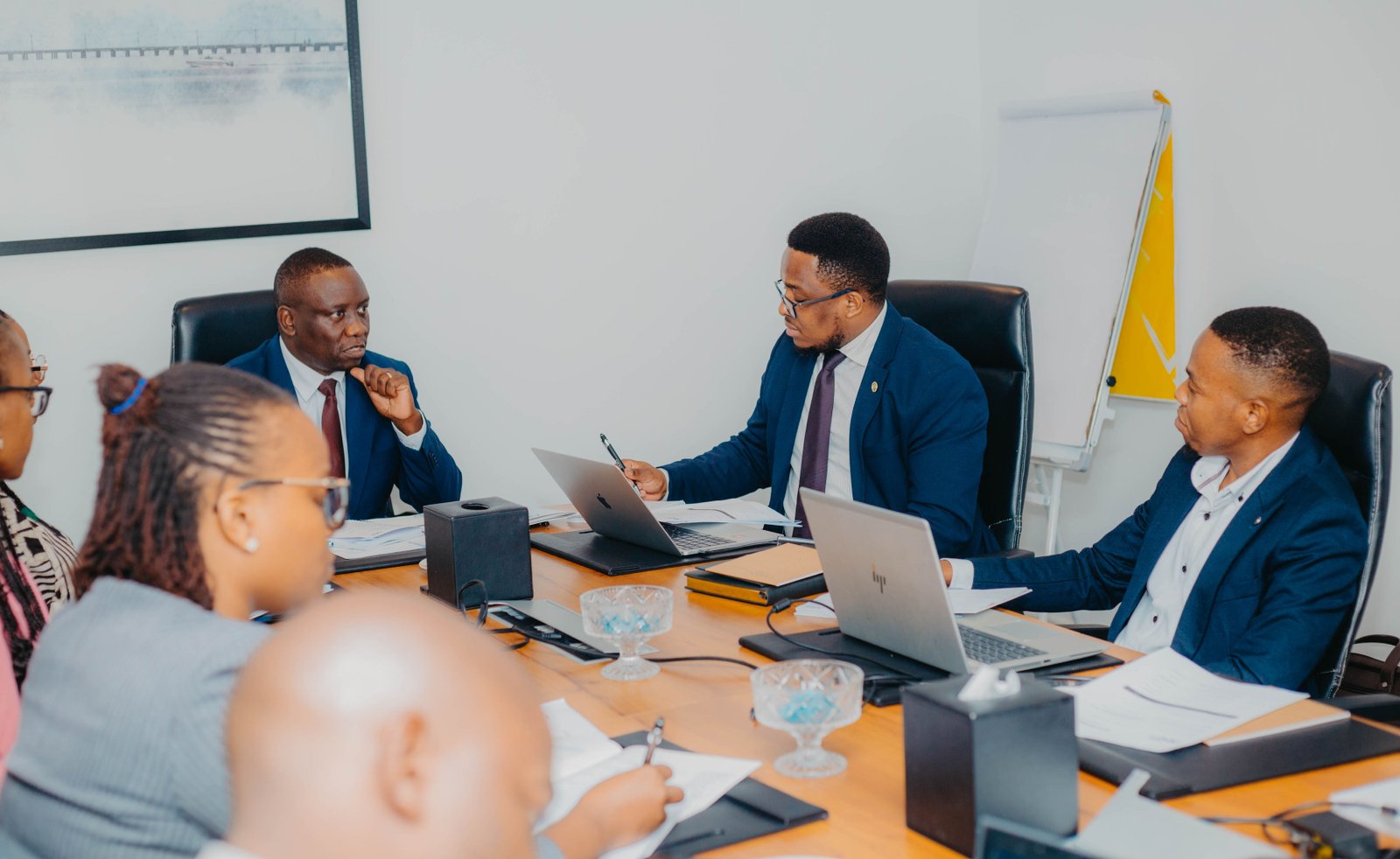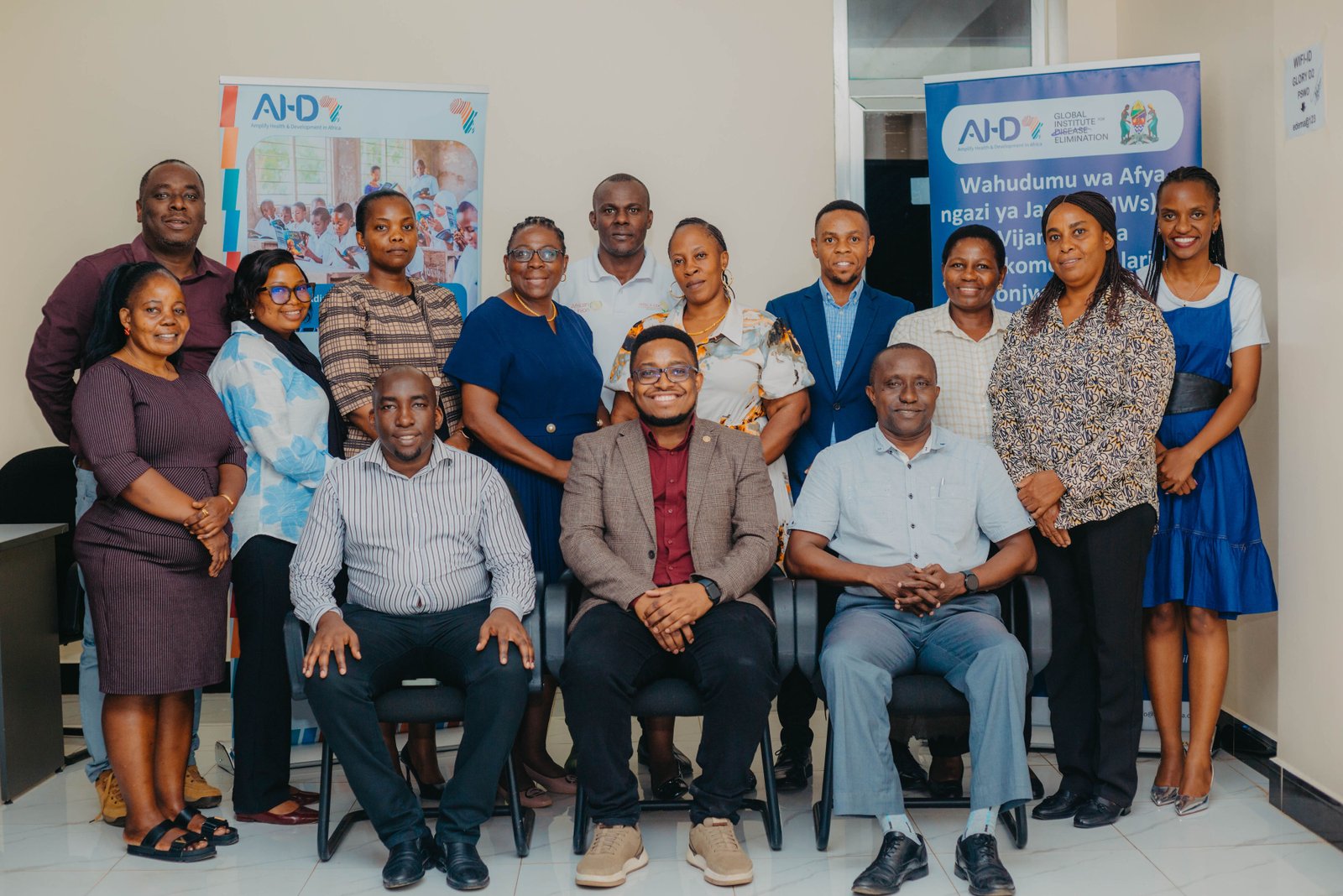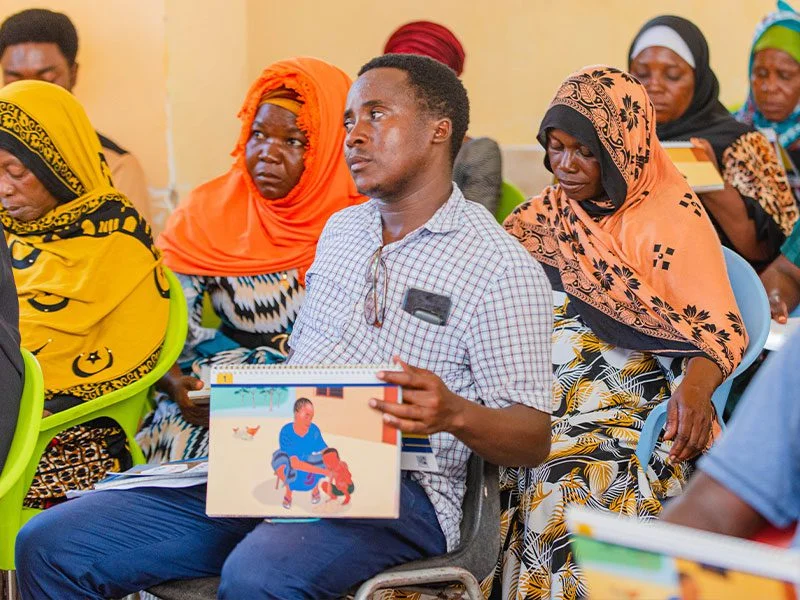
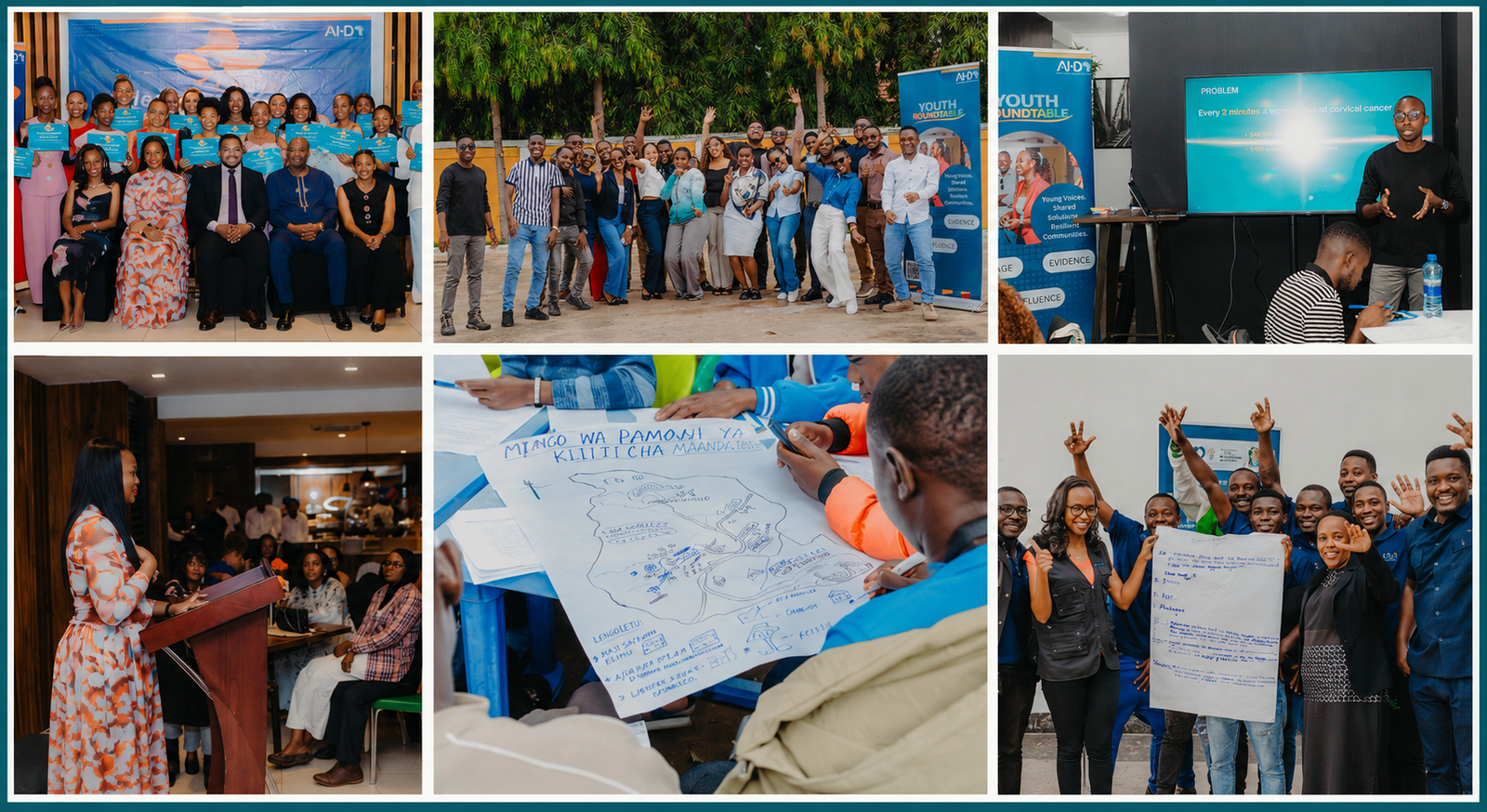
The Climate and Health Forum 2025 convened civil society organisations (CSOs), women leaders, young people,
community health workers (CHWs), researchers, and development partners for a timely dialogue on community-led
responses to climate and health challenges.
Held under the theme, “Women, Youth and Community Health Workers: Driving Equitable
and Inclusive Actions for a Sustainable Future,” the forum created a platform for frontline actors
to share practical experiences and engage in a high-level panel discussion on policy and financing for
community solutions in climate and health response.
The discussions underscored a central message: action is essential for climate resilience, and women, youth, and CHWs are already leading that work.
Mr. Nelson Francis
Community Health Worker from Kyerwa District
"I educate the community on proper ways of conserving the environment." He mobilises fellow CHWs to plant fruit trees around health facilities.
Ms. Maria Daudi
Programme Manger, WORF
"Recycling is currently a business which enables youth to generate income." Plastic waste transformed into durable construction blocks.
Dr. Faraja Chiwanga
Director of Medical Services, Muhimbili National Hospital
"The health angle can be used as a powerful tool for climate change advocacy." Climate and health cannot be addressed separately.
Dr. Joseph Komwihangiro
Country Director, Ptahfinder International
"Challenges in the community are integrated." Household-centred models drive sustainable, equitable climate resilience.
The question-and-answer session reflected strong interest in implementation challenges and sustainability.
Topics raised included barriers in the recycling industry, context-specific identification of climate-smart behaviours,
geopolitical narratives around climate action, training approaches for women and youth in recycling, and the links between
climate change, mental health, and non-communicable diseases (NCDs).
On recycling, Ms. Maria Daudi identified key constraints including
regulatory complications, limited machinery, and low public awareness. She also explained
that WORF works with local government authorities and trains women and youth (18-35 years) with attention to
occupational safety during waste collection and recycling processes.
On context-specific climate-smart behaviours, Dr. Joseph Komwihangiro emphasised that solutions differ by geography and community livelihoods, giving an example from pastoral communities where traditional practices can also support environmental conservation.
On climate change and health impacts, Dr. Faraja Chiwanga referenced the Hanang landslide disaster in 2023, noting the mental health burden associated with climate-related disasters, including anxiety and trauma following loss of life, homes, and essential infrastructure. She also pointed to emerging evidence on heat exposure among agricultural workers and possible links to chronic kidney disease, while highlighting broader risks to maternal health, premature delivery, and malnutrition.
Regarding sustainability, Dr. Joseph noted that climate-smart behaviour programmes are more likely to be sustained when embedded in government systems and linked to financing mechanisms, monitoring, and evaluation. He also reiterated that empowering women strengthens community-wide resilience.
International Organization for Migration (IOM)
The IOM representative highlighted efforts to support mental health and psychosocial support
in border communities during disasters, while engaging communities in climate resilience and disaster management..
Save the Children Tanzania
PDr. Victor Minja noted that climate change is also a child rights crisis and shared that Save the Children Tanzania provided
psychosocial first aid to children affected by the Manyara landslide disaster in 2023..
Amref Tanzania
The Amref representative shared examples of climate and health initiatives, including environmentally friendly
briquette production that also supports women’s economic empowerment.
Tanzania Health Summit
Mr. Anodi Kaihula, General Manager, reaffirmed the Summit’s commitment to the climate-health agenda and highlighted youth engagement through the Youth Capacity
Building (YOCAB) programme as a key entry for continued youth engagement in responding to climate-health related disasters
Ms. Gloria Salome Shirima
AHDA Board of Directors
In her closing remarks, Ms. Gloria Salome Shirima, representing the AHDA Board of Directors, thanked panelists, partners,
and participants for a rich and practical discussion. She called for stronger cross-sector collaboration and greater action by
young people and all stakeholders working at the intersection of climate and health.
The forum concluded with a shared recognition that inclusive, community-driven climate and health solutions are not only necessary,
but already underway - and must now be supported, financed, and scaled.
AHDA remains committed to advancing climate and health dialogue, evidence, and partnerships that centre communities, equity, and sustainable impact.