Research & Innovation
Generating quality data and practical evidence to strengthen advocacy, accountability, and community-led action.
Programme Overview
AHDA's Research and Innovation Programme focuses on generating evidence that drives community-led action and policy change.
Data Quality
High-quality data generation for evidence-based decision making.
Implementation Science
Understanding what works, for whom, and under what conditions.
Community-Led Action
Strengthening advocacy through community ownership and participation.
Policy Dialogue
Connecting field realities with policy engagement and decision making.
CASE STUDY
Climate and Health Research – Lindi, Tanzania
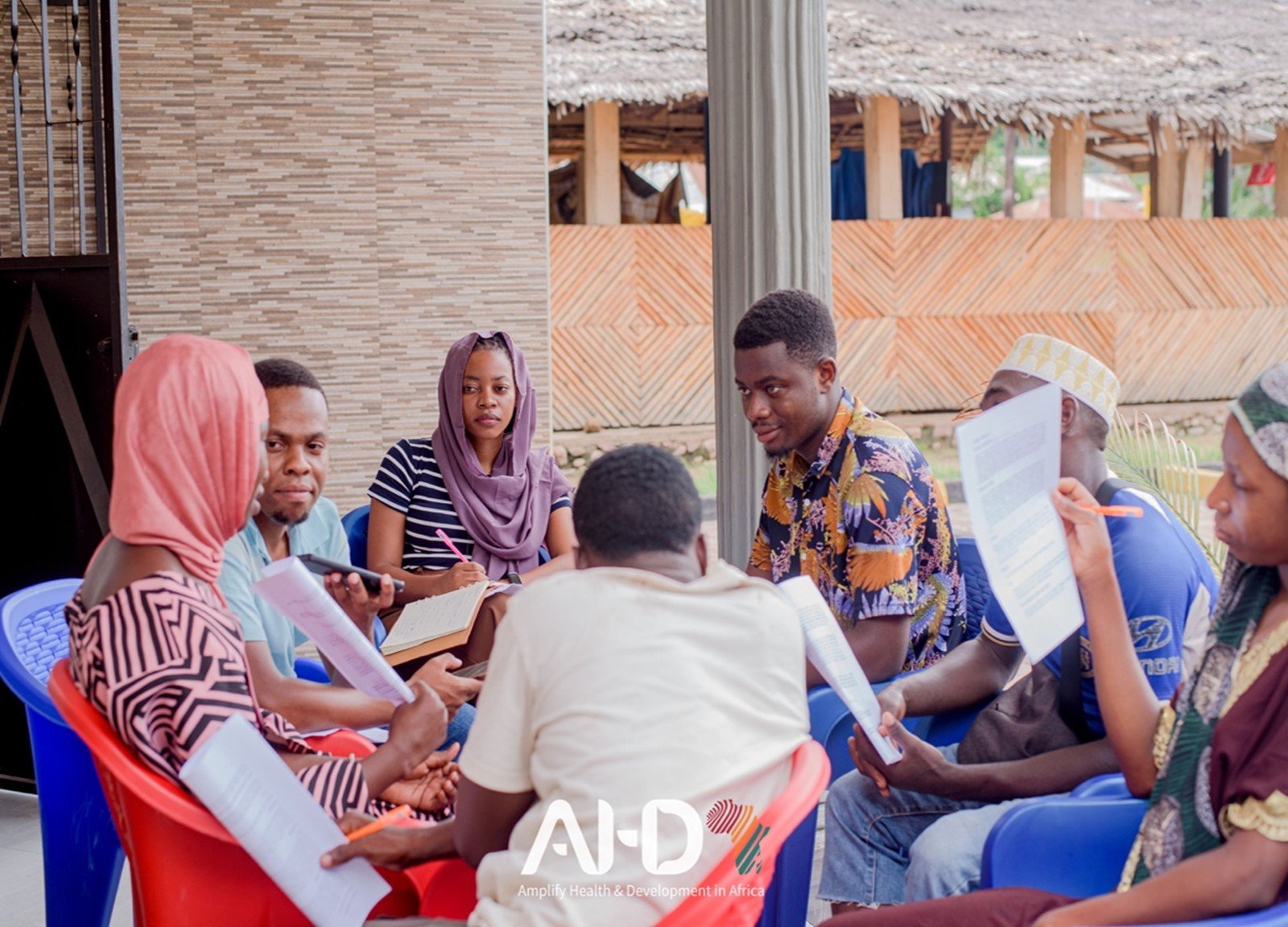
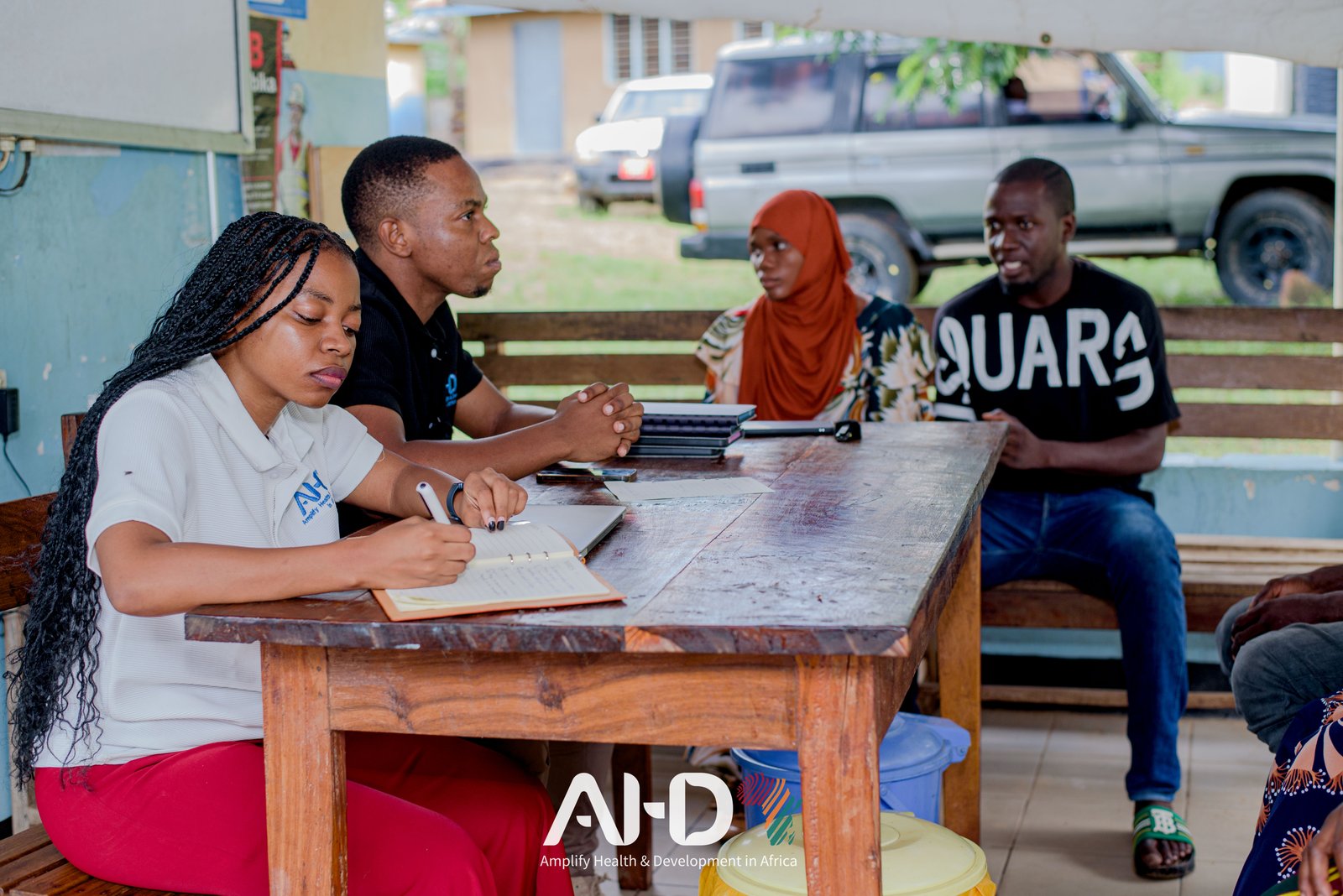
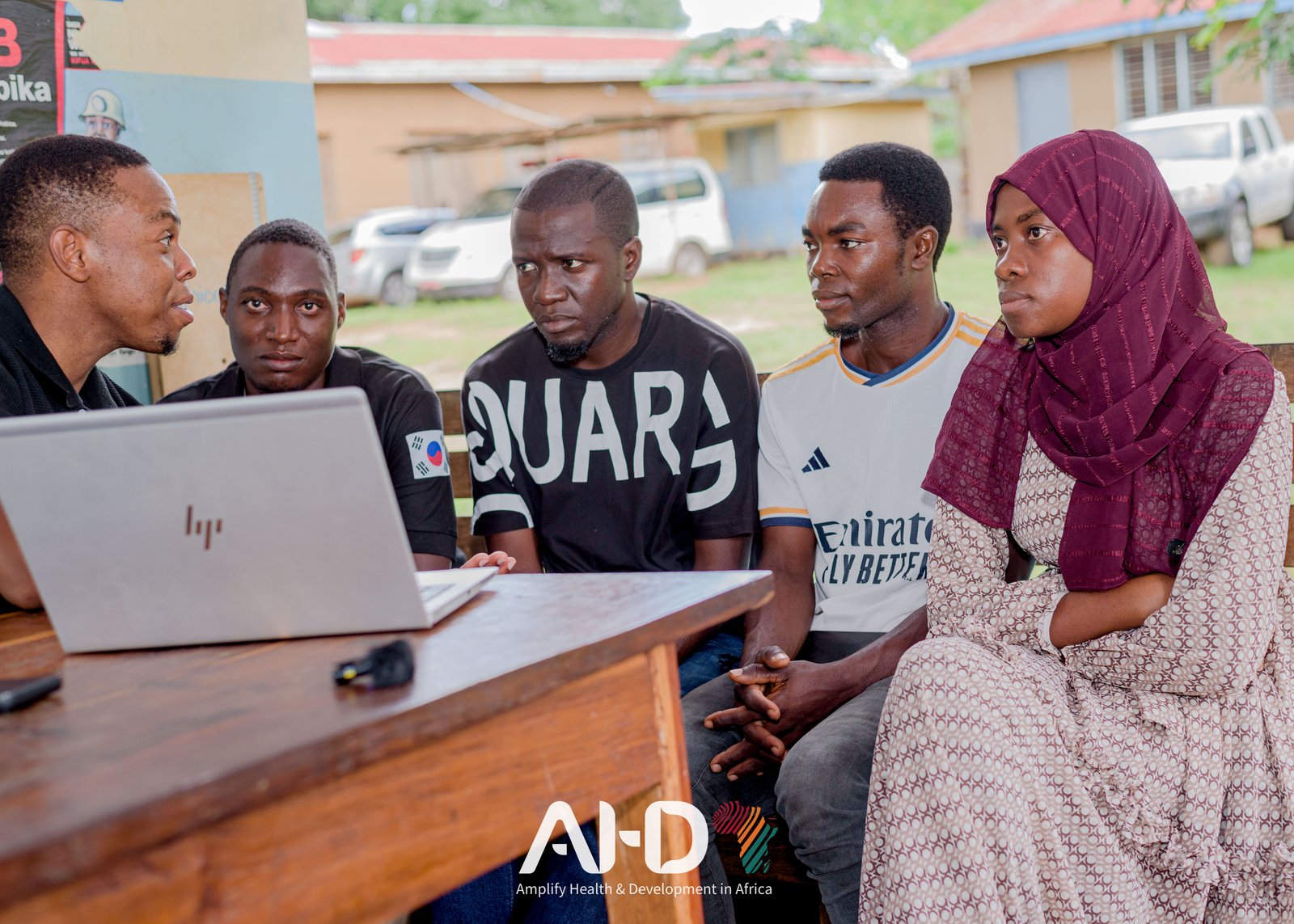
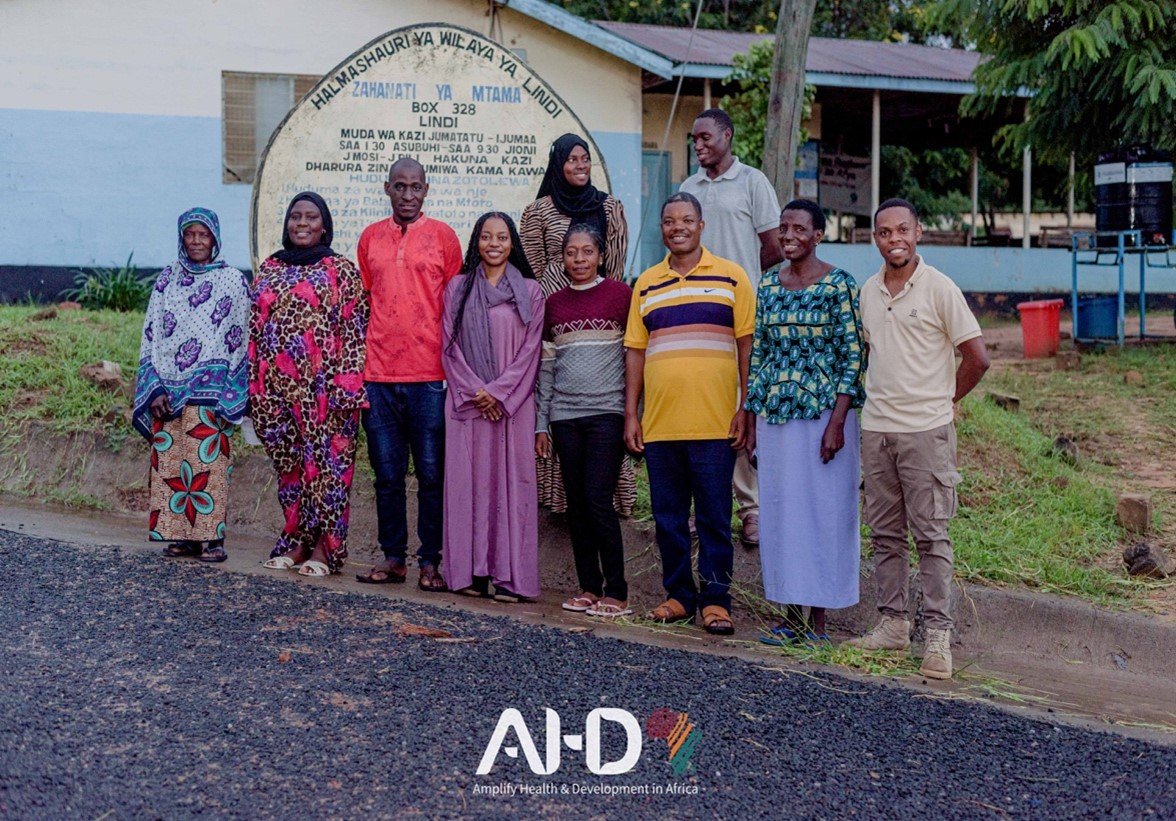
This mixed-methods case study examined how communities perceive and respond to climate change and its health impacts, with a focus on young people and Community Health Workers (CHWs). The study combined 7 focus group discussions with a household survey of 208 participants. A peer-reviewed manuscript is under the publication process, and a draft policy brief has been developed from this study for high-level engagement.
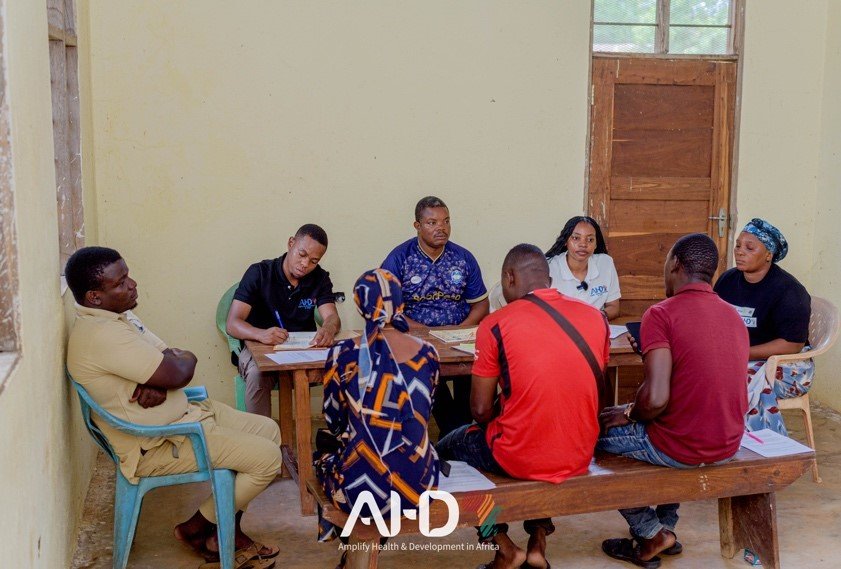
Role of Young People and Communities in Addressing Climate–Health Impacts
For internal reference: Role of Young People and Communities in Addressing the Impacts of Climate Change on Health in Mtama Lindi, Tanzania.
Key Findings
High awareness of climate change (88%), commonly linked to irregular rainfall, extreme heat, and flooding.
Reported increases in malaria, diarrhoeal diseases, malnutrition, mental health stress, and disruptions to sexual and reproductive health services.
Preparedness gaps despite awareness, particularly regarding indirect climate–health pathways.
Youth recognised as strong community mobilisers.
CHWs identified as central actors in risk communication and basic care.
CHWs are constrained by limited resources despite being essential to community response.
Field Photos