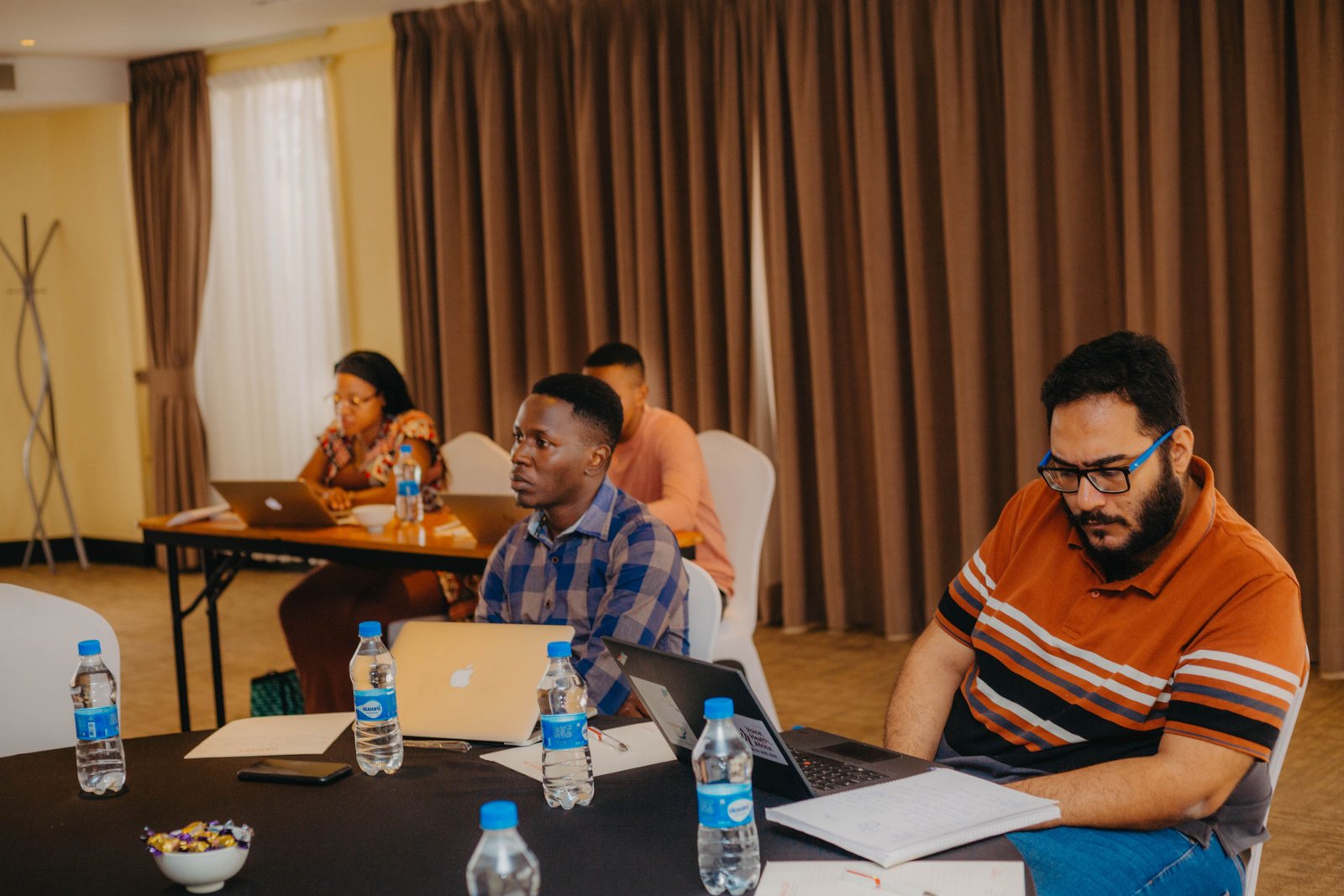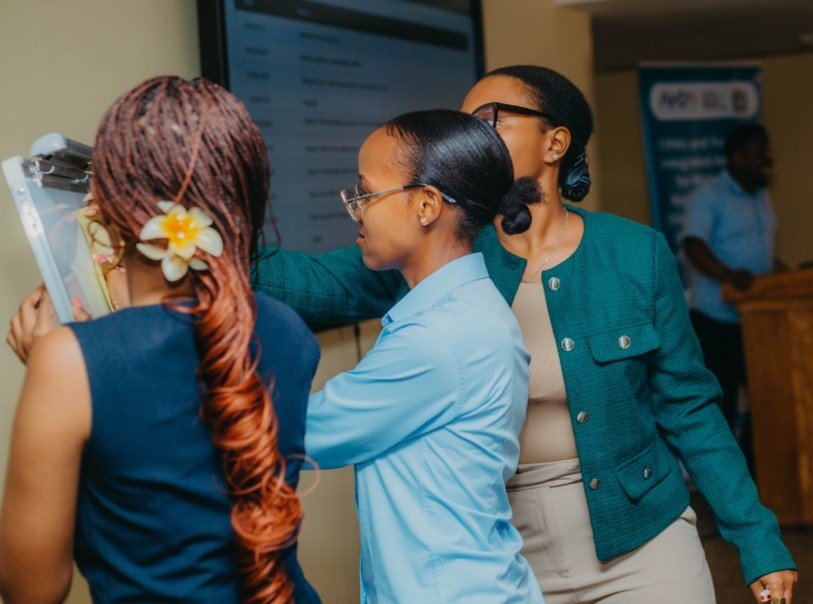
Programme Purpose
To equip young people with practical skills and platforms for dialogue that amplify their voices on issues affecting their future.
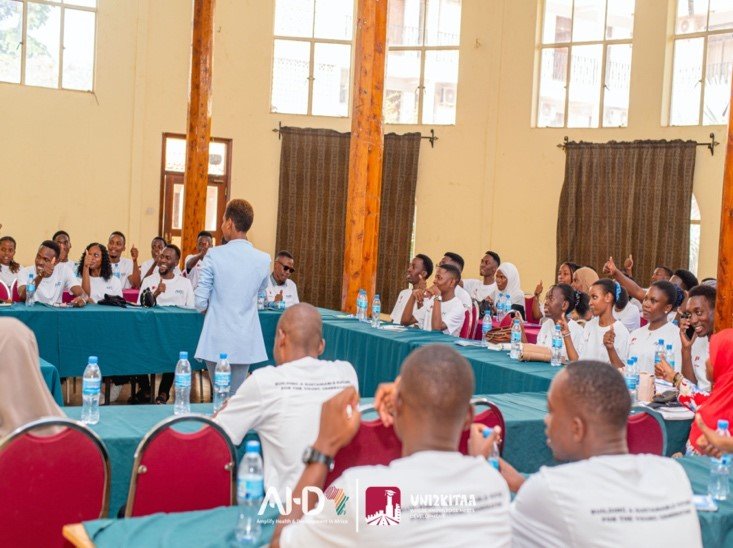
Youth Programme Initiatives
The Youth Programme consists of two flagship initiatives that work together to create holistic development opportunities.
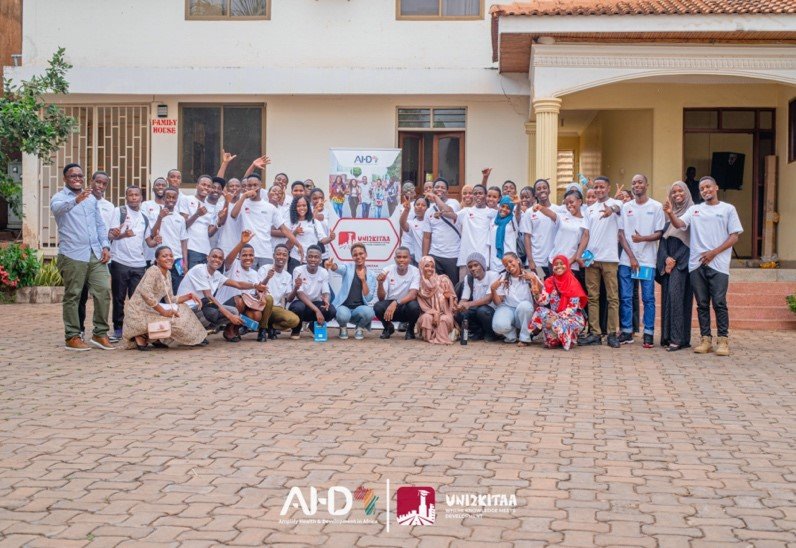
Uni2Kitaa
From university to the streets.
Equips young people with practical skills, networks, and support to navigate the transition from university to the realities of work and community life.
Explore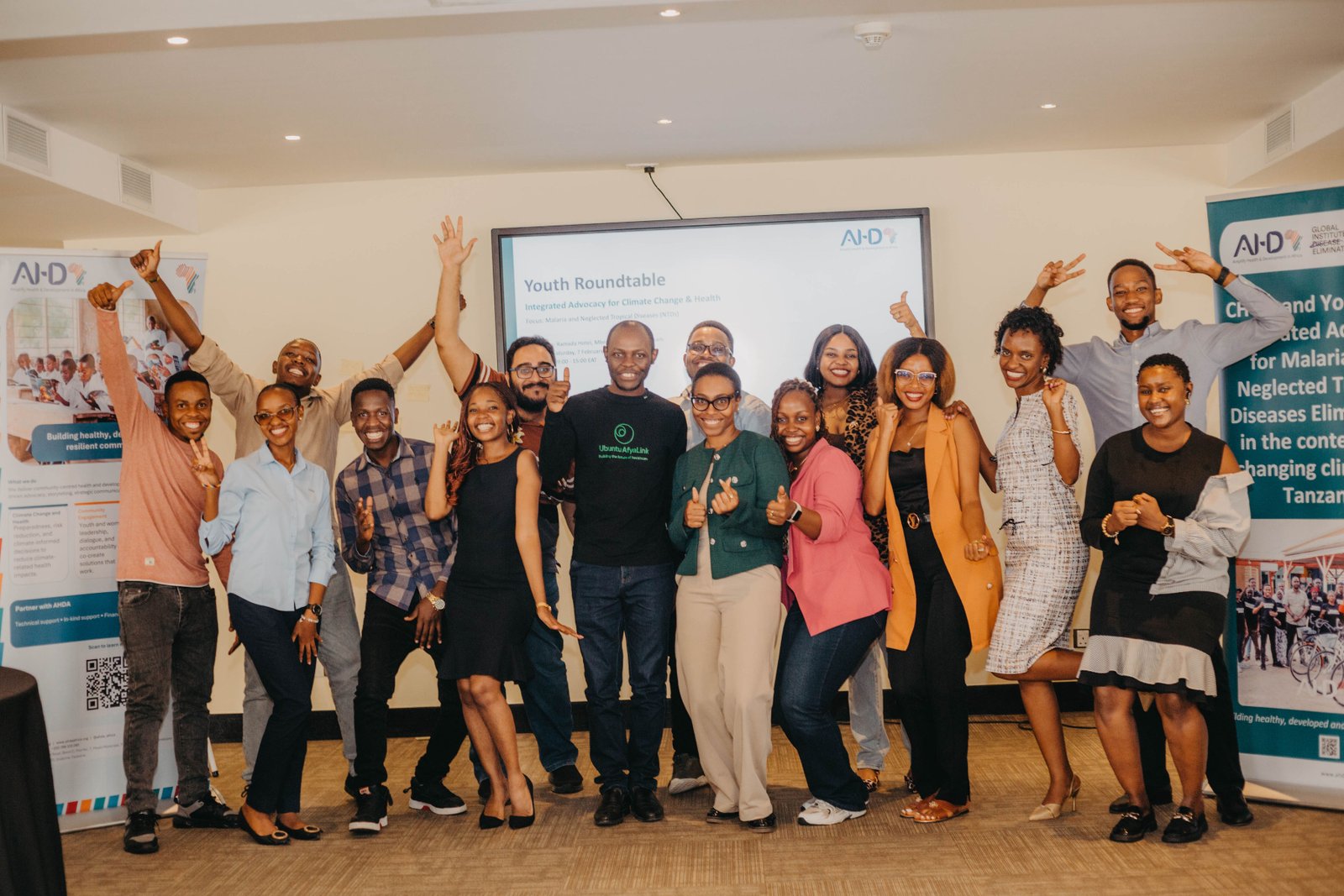
Youth Roundtable
Youth Roundtable convenes young leaders from diverse sectors to shape policy dialogue, co-create solutions, and strengthen collective advocacy on key youth issues.
Explore
Uni2kitaa
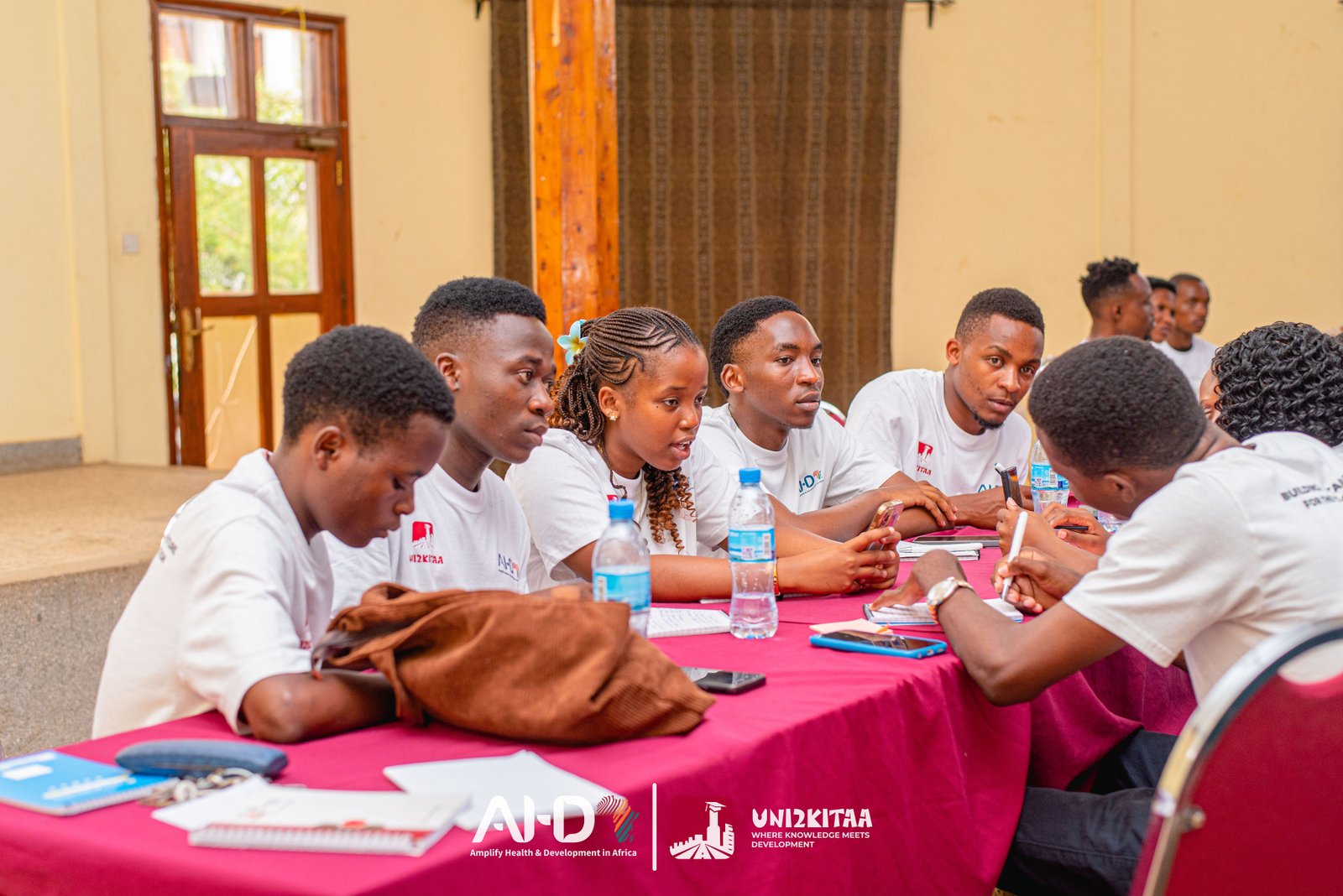
Uni2Kitaa, meaning "from university to the streets,” reflects the realities many young people face as they transition from academic life into the job market and their communities. The initiative complements formal education and bridges the gap by equipping young people with practical skills through a cohort-based model combining online sessions and in-person workshops focused on digital literacy, entrepreneurship, financial literacy, mental health support, and professional networking
How Uni2kitaa Works
A blended delivery model that combines online learning, mentorship, and practical application.
Cohort-based Learning
Peer support and structured progression through a defined cohort cycle.
Mentor-led practical sessions
Guidance from professionals and industry partners to translate skills into action.
Project-based assignments
Real-world tasks that build portfolios and strengthen problem-solving.
Competency-based online course
Digital learning with completion certificates and reflective exercises.
Showcase and storytelling
Platforms to present skills, innovations, and youth stories to wider audiences.
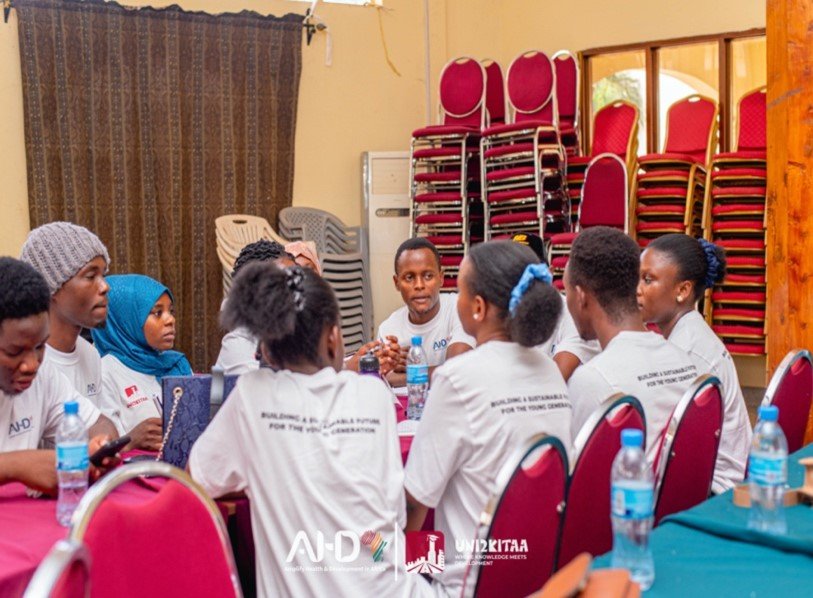
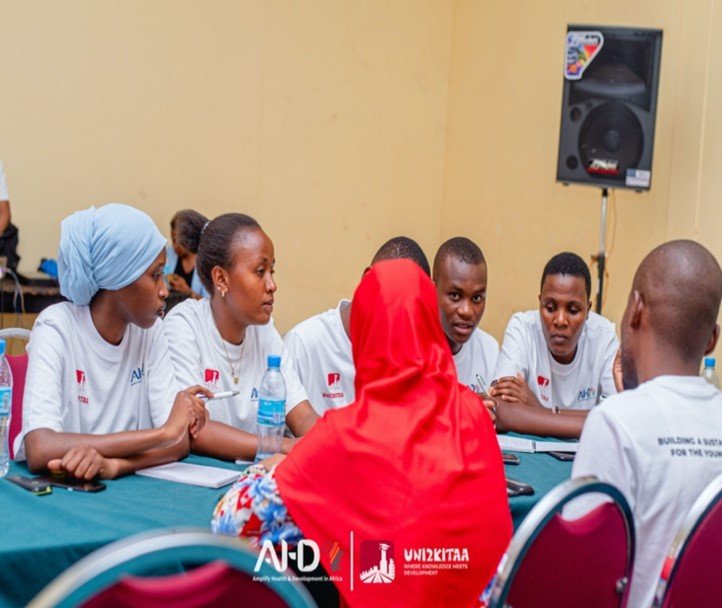
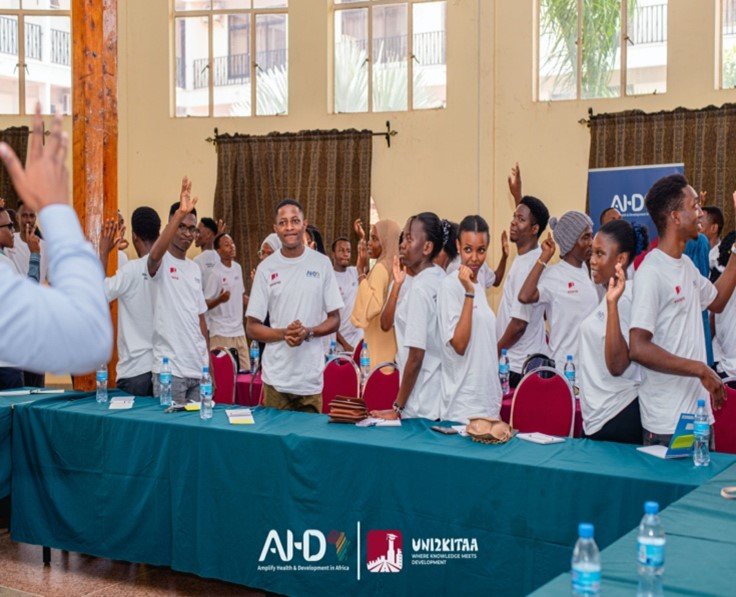
Uni2Kitaa in Action
Learning Tracks
Digital Literacy
AI tools and responsible technology use
Financial Literacy
Personal financial planning and management
Entrepreneurship
Innovation readiness and business skills
Mental Health
Wellness through peer-to-peer support
Social Skills
Public speaking and communication
Systems Thinking
Complex problem solving
Career Readiness
CV writing, interviews, professional emails
Youth Roundtable
Youth Roundtable brings together young leaders from diverse sectors to shape policy and strategic conversations on issues affecting young people. It creates structured spaces for dialogue, co-creation, and cross-sector collaboration, enabling youth to share perspectives and amplify their voices in broader policy and development discussions.
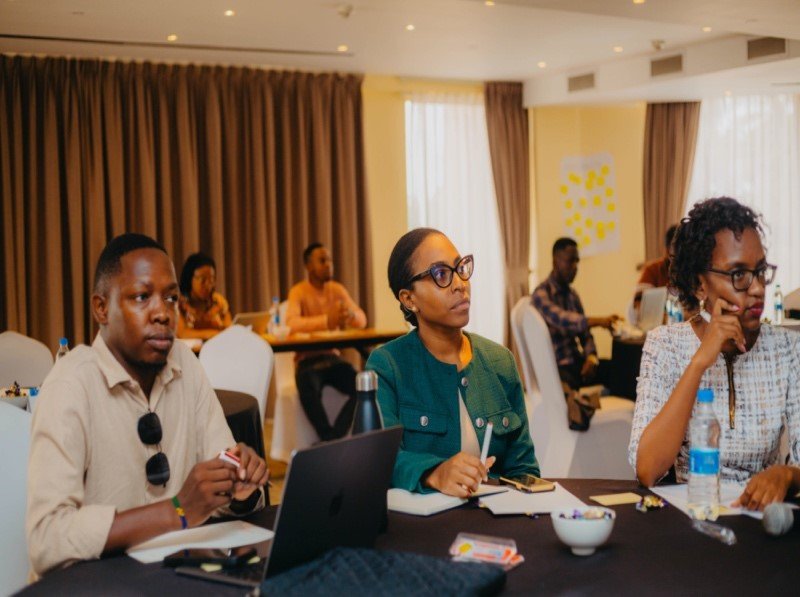
Convened quarterly through in-person sessions and complemented by online webinars, the Roundtable expands participation across regions of Tanzania and the wider Commonwealth countries. This hybrid model allows young people to exchange perspectives, share country experiences, and collectively address complex youth challenges such as mental health, sexual and reproductive health and rights, leadership development, and emerging issues, including digital technology and responsible AI.
Focus Areas
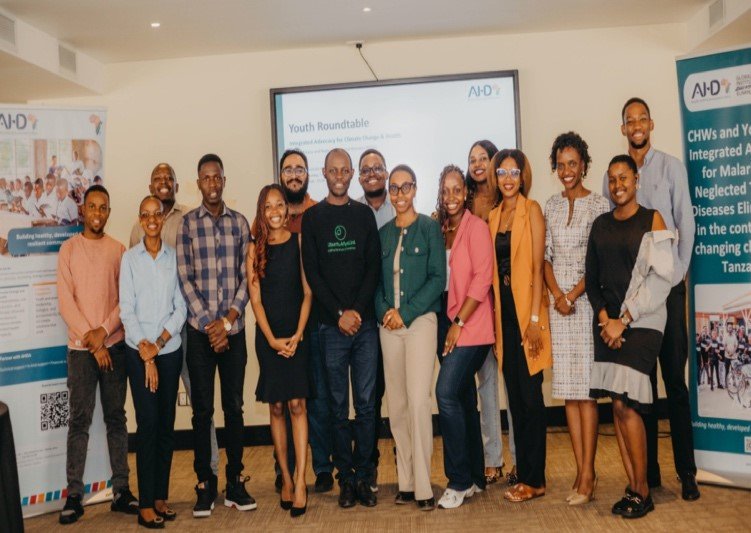
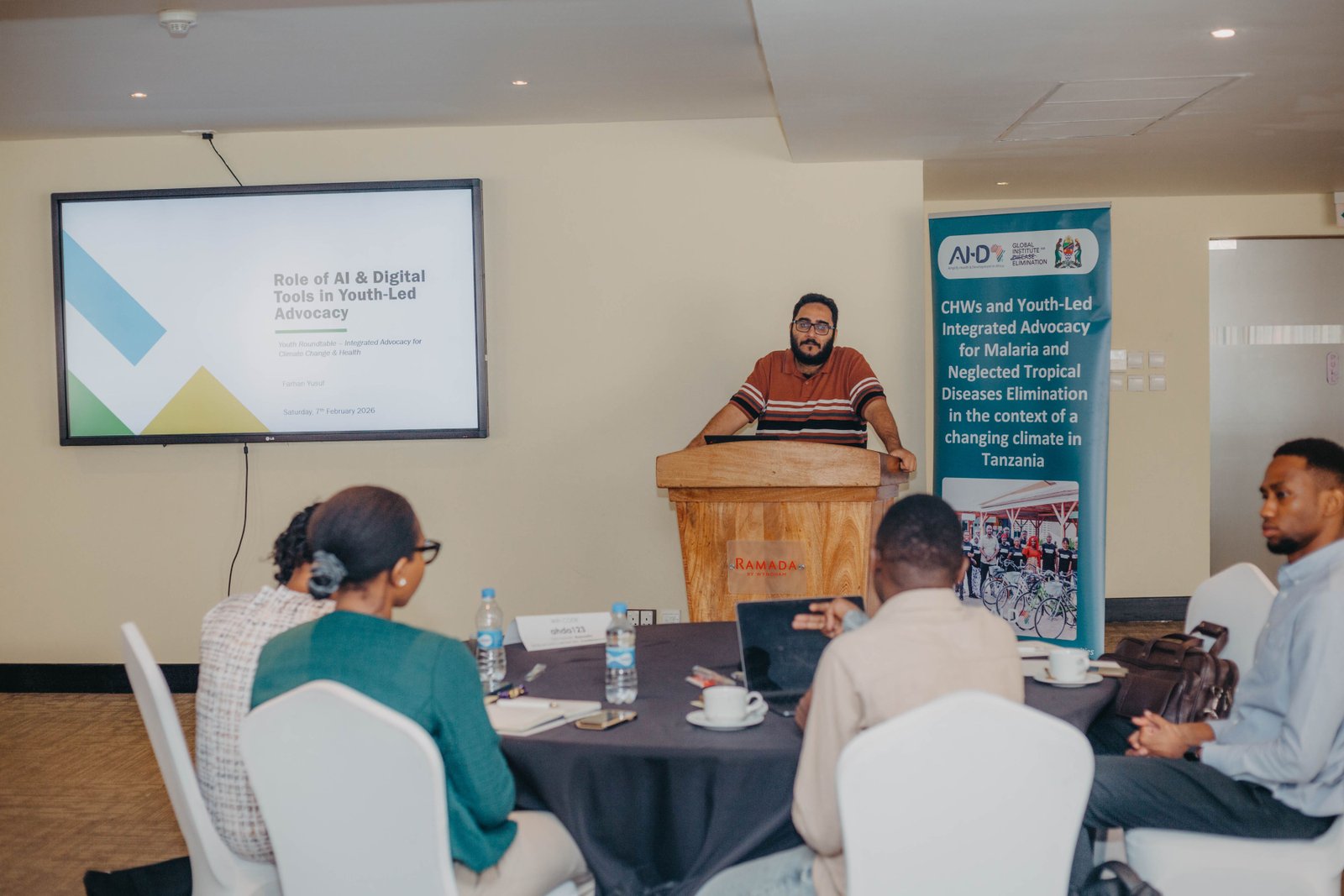
Series One: Integrated Advocacy for Climate Change and Health.
Introduction
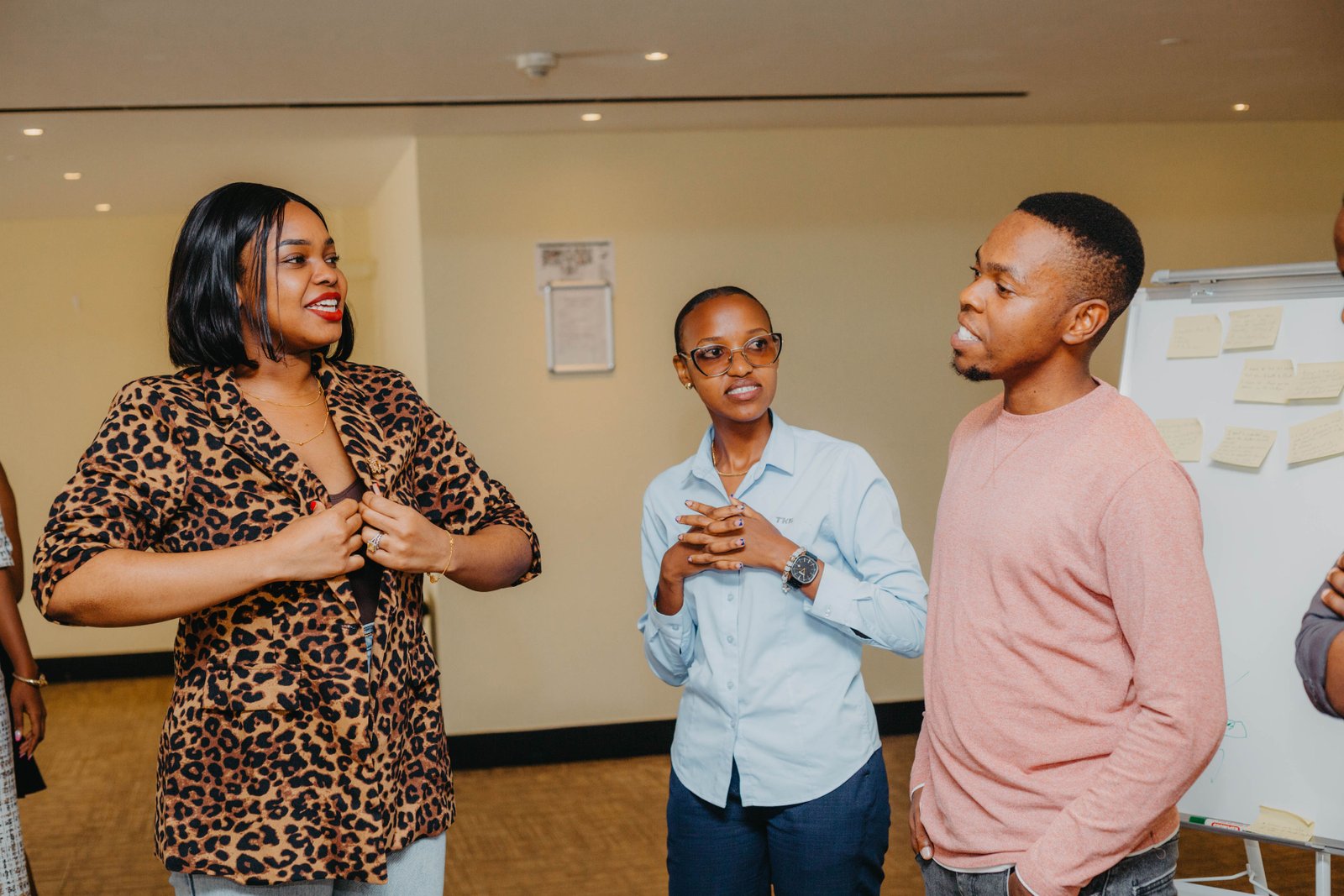
Young leaders from diverse fields shared practical perspectives on climate and health policy advocacy, the ethical use of AI and digital tools in youth-led action, and co-designed a peer-to-peer cascade model to engage young people in vulnerable communities as champions for disease elimination.
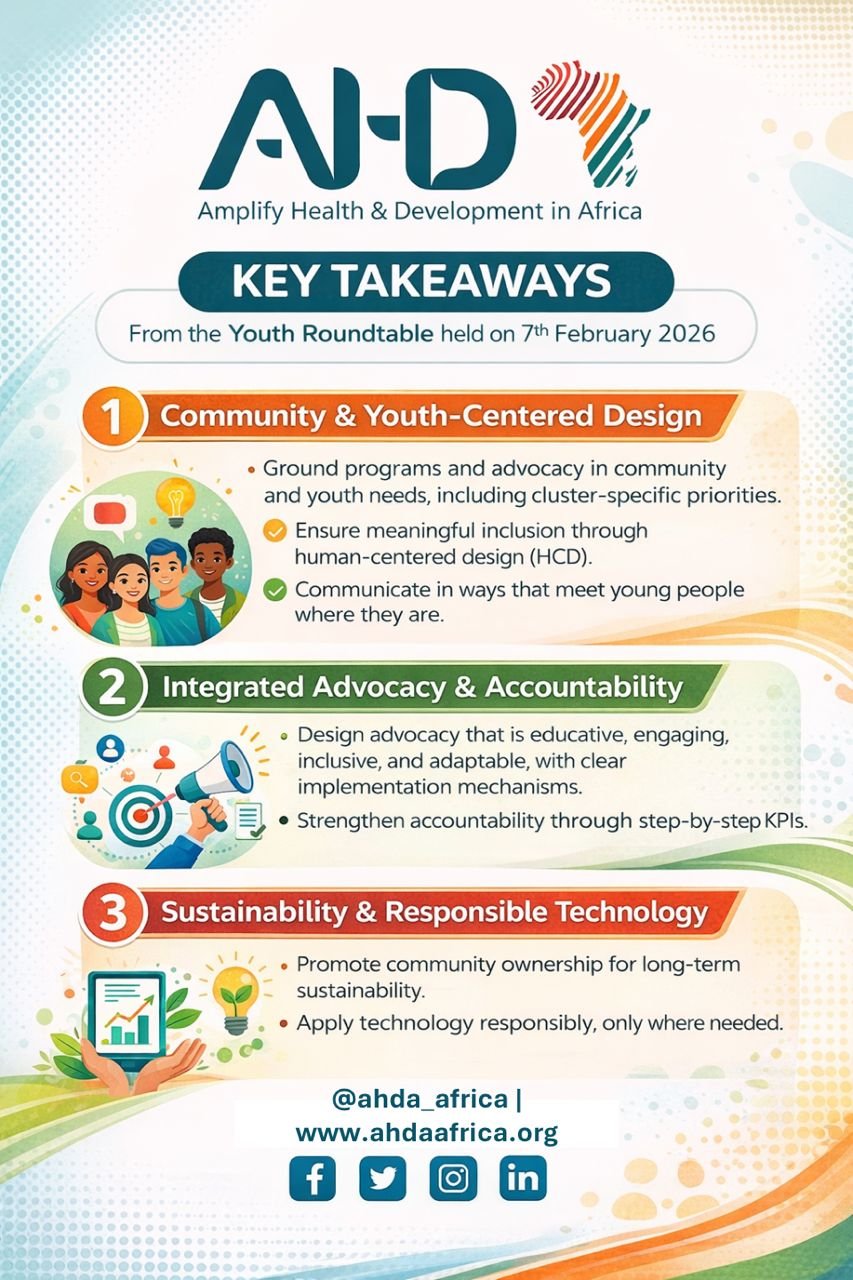
The following key recommendations emerged:
- Ground programs and advocacy in community and youth needs, including cluster-specific priorities.
- Ensure meaningful inclusion through human-centered design (HCD).
- Communicate in ways that meet young people where they are.
- Design advocacy that is educative, engaging, inclusive, and adaptable, with clear implementation mechanisms.
- Strengthen accountability through step-by-step KPIs.
- Promote community ownership for long-term sustainability.
- Apply technology responsibly, only where needed.
Roundtable Moments